

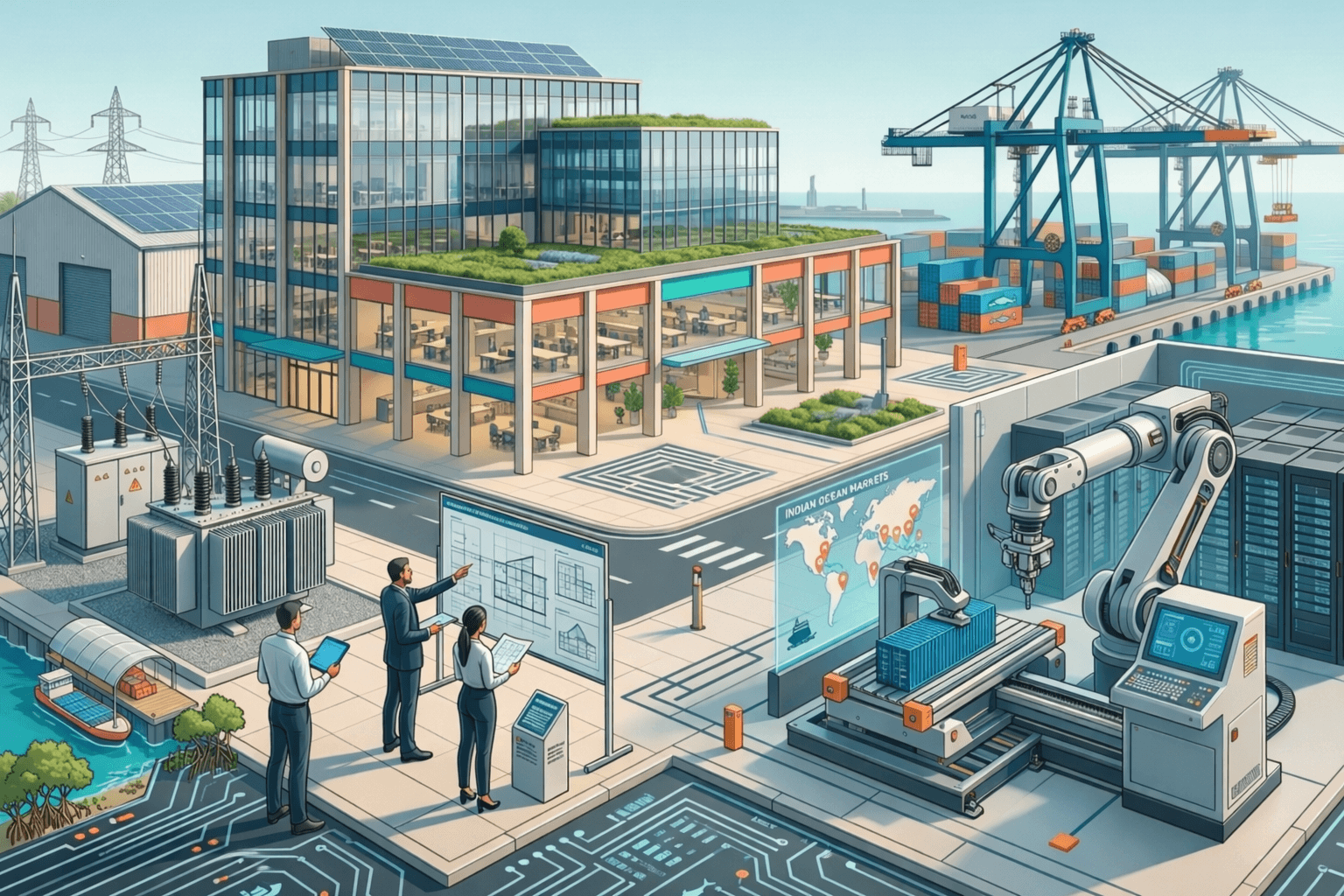
The Indian Ocean region is a mosaic of diverse cultures, economies, and landscapes. For investors, it represents a frontier of immense potential, yet it is also a region defined by a unique set of structural constraints. Unlike large, continental economies, these island and coastal nations operate within a framework shaped by geography, logistics, and scale. Understanding this delicate balance between challenges and opportunities is essential for anyone looking to invest successfully in this dynamic part of the world.
Navigating this environment requires more than just capital; it demands deep local knowledge, patience, and a strategic vision that can turn inherent limitations into competitive advantages. This article will delve into the primary structural constraints that define Indian Ocean markets, from logistical hurdles to specialized economies. We will also uncover the significant opportunities that arise from these very challenges, showcasing how a firm like Apavou Indian Ocean has built a legacy by mastering this complex interplay.
The Fundamental Constraint: Geography and Scale
The most defining characteristic of Indian Ocean markets, particularly island nations like Mauritius, is their physical isolation and limited scale. This geographical reality creates a ripple effect that touches every aspect of the economy, from trade and construction to labor markets and consumer behavior.
Logistical Challenges and Supply Chain Dependency
Island economies are inherently dependent on maritime and air transport for nearly all goods. This creates a structural vulnerability to global supply chain disruptions, shipping costs, and fuel price volatility. A container of building materials or consumer electronics will almost always cost more to land in Port Louis than it would in a major continental port.
This dependency means developers and businesses must be masters of logistics. Projects must factor in longer lead times and higher material costs. For a development like Plaisance Mall, this meant meticulously planning the procurement of everything from steel beams to retail fixtures, often months in advance. A failure to manage this logistical complexity can lead to costly delays and budget overruns. However, this constraint also creates an opportunity for companies that can build resilient, localized supply chains or achieve economies of scale in their import operations.
Limited Land and Specialized Land Use
In an island nation, land is the most finite resource. This scarcity drives up property values and necessitates extremely thoughtful, efficient land use. You cannot simply expand outward; you must build smarter. This constraint forces developers to focus on high-quality, multi-functional projects that maximize the value of every square meter.
This is why you see a focus on master-planned communities like Terre d’été, which integrates residential living with green spaces and amenities in a dense, yet livable, format. It is also why a vertical, state-of-the-art office building like The Cube becomes a more logical solution than a sprawling, low-rise corporate campus. The scarcity of land compels a focus on quality over quantity, which can lead to higher-value, more resilient real estate assets.
Economic Structure: The Double-Edged Sword of Specialization
Many Indian Ocean economies have historically relied on a narrow range of industries, such as tourism, sugar production, or textiles. While this specialization can create deep expertise and global competitiveness in a specific niche, it also exposes the economy to sector-specific shocks.
Vulnerability to External Shocks
An economy heavily reliant on tourism, for instance, is extremely vulnerable to global travel disruptions, as seen during the COVID-19 pandemic. A downturn in a single key industry can have an outsized impact on the entire nation’s GDP and employment. This structural reality makes economic diversification a top priority for governments and investors alike.
The opportunity here is immense for those willing to pioneer new sectors. Apavou Mauritius has been a key player in this diversification story. By investing in Grade A office spaces, modern retail centers, and high-quality residential properties, the group has helped build the physical infrastructure needed to support new industries like financial services, technology, and business process outsourcing. These investments help create a more balanced, multi-pillared economy that is less susceptible to shocks in a single sector.
Niche Markets and First-Mover Advantages
The smaller scale of these markets means they are often overlooked by large multinational corporations. This creates a significant opportunity for well-capitalized local and regional players to establish dominant market positions. Being the first to introduce a new concept, whether it is a modern shopping mall experience or an international-standard business park, can create a powerful and lasting competitive advantage.
The Apavou Group has consistently leveraged this first-mover advantage. By identifying gaps in the market and having the courage to build ahead of the curve, they have often set the standard for real estate development in the region. This requires a deep belief in the market’s long-term potential and a willingness to take on the initial risk of creating something new.
Human Capital and Labor Market Dynamics
The labor market in smaller, isolated economies presents another unique set of structural challenges and opportunities.
Brain Drain and the Quest for Talent
Smaller nations often struggle with “brain drain,” where the most highly educated and ambitious individuals leave to seek opportunities in larger, more dynamic economies. This can create a shortage of specialized skills, particularly in emerging high-tech or financial sectors.
To counteract this, there is a tremendous opportunity to create an environment that not only retains local talent but also attracts it from abroad. This involves more than just offering competitive salaries. It means building world-class working environments, desirable residential communities, and a high quality of life. A project like The Cube is not just an office building; it is a statement that Mauritius offers a professional environment on par with any global city. By investing in the physical infrastructure that supports a modern, knowledge-based economy, developers play a direct role in reversing brain drain and building a deeper talent pool.
The Value of Local Expertise
While attracting international talent is important, the value of deep-seated local expertise cannot be overstated. Understanding the local culture, navigating the regulatory environment, and building long-term relationships are critical for success. The operational teams at Apavou Indian Ocean possess generations of localized knowledge. This “on-the-ground” intelligence is a strategic asset that allows the company to identify opportunities and mitigate risks that an outside investor would likely miss. This constraint on easily transferable knowledge becomes a powerful moat for established local players.
Capital Markets and Financial Infrastructure
The financial systems in smaller markets operate differently than those in major global financial hubs. This impacts how projects are funded and how investments are realized.
Access to Capital and Project Financing
While local banking systems are often robust, financing for very large-scale, multi-hundred-million-dollar projects can be a challenge. The pool of available domestic capital is finite. This constraint forces developers to become more creative in their capital structuring, often seeking partnerships with international development banks, private equity firms, or institutional investors.
This creates an opportunity for a firm like Apavou Indian Ocean, which has a long track record and a reputation for successful project delivery. Their history of building and managing high-quality assets makes them a trusted partner for international capital seeking exposure to the region. They act as a bridge, connecting global financial resources with local development opportunities, de-risking the investment for their foreign partners through proven execution capability.
Illiquidity and Long-Term Investment Horizons
Real estate in smaller markets is typically less liquid than in major metropolitan centers like London or New York. There are fewer buyers and sellers, and transactions can take longer to complete. This structural illiquidity can be seen as a negative, but it also filters out short-term speculators.
The market naturally favors investors with long-term horizons, those who are focused on building value over decades, not months. This aligns perfectly with the philosophy of developing legacy assets. When you invest in a foundational project like Terre d’été, you are not looking for a quick flip. You are investing in the creation of a community, a process that unfolds over a generation. The illiquidity of the market reinforces a disciplined, patient approach to capital allocation, which ultimately leads to more sustainable and resilient returns.
Conclusion: Turning Constraints into a Strategic Advantage
The Indian Ocean markets operate under a clear set of structural constraints: geographical isolation, economic specialization, and limited scale. A superficial analysis would view these as insurmountable disadvantages. However, a deeper, more strategic perspective reveals that each constraint holds the seed of a powerful opportunity.
- Logistical challenges reward operational excellence and local expertise.
- Land scarcity forces a focus on high-quality, high-value, and innovative design.
- Economic vulnerability creates a powerful incentive for diversification, opening doors for pioneers in new industries.
- Talent shortages create demand for world-class environments that attract and retain skilled professionals.
- Capital market limitations forge strong, long-term partnerships and favor patient, value-oriented investors.
Success in this region is not about fighting against these structural realities. It is about understanding them, respecting them, and building a business model that thrives within them. For over a century, the Apavou Group has done precisely that. By embracing a long-term vision and leveraging deep local knowledge, Apavou Indian Ocean has consistently transformed the perceived constraints of the region into the very foundation of its enduring success, building assets and communities that are perfectly adapted to the unique and promising environment of the Indian Ocean.
 Previous Post